PARTNERSHIPS
Forever Chemicals Meet Their Match in a Pressure Cooker
A £9.24m Ofwat-backed consortium is testing hydrothermal oxidation to permanently destroy PFAS in sewage sludge, not just capture it
9 Jun 2026
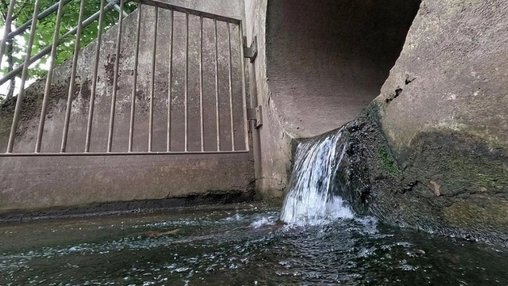
Anglian Water has secured £9.24 million to permanently destroy PFAS compounds in sewage sludge, a contaminant pathway that regulators across Europe have struggled to close. Awarded on May 19 through Ofwat's sixth Water Breakthrough Challenge, the grant is the largest single PFAS-focused allocation from a £58 million competition. Partners include AtkinsRealis, Cranfield University, Cetogenix, Severn Trent, and Northumbrian Water, each covering a distinct stage from laboratory science to full-scale infrastructure design.
The underlying process, known as hydrothermal oxidation, applies extreme heat and pressure to sewage sludge. Oxygen introduced into that environment triggers a waterborne reaction that breaks down contaminants, including PFAS, into carbon dioxide, water, and inert salts. Unlike granular activated carbon or ion exchange, which capture PFAS in spent media requiring separate disposal, hydrothermal oxidation mineralises the carbon-fluorine bonds that make these compounds so chemically persistent. No toxic residue is produced.
Spreading PFAS-laden biosolids on agricultural land remains common practice across England and Wales, and analysts have identified it as one of the least scrutinised routes by which these compounds re-enter drinking water catchments. The consortium's project targets that gap by replacing sludge-to-land disposal with a bioresource conversion pathway, a shift that EU Drinking Water Directive mandates, in force since January 2026, have made difficult to defer.
Yet the technology has been demonstrated only at pilot scale. Continuous full-scale operation introduces material corrosion, energy intensity, and per-tonne cost challenges that smaller trials do not expose, according to project documentation. Whether the demonstration phase delivers commercially viable results remains the central question.
Regulatory pressure points in one direction. With the European Commission designating PFAS in biosolids a priority under its Water Resilience Strategy, a successful outcome in this project could carry implications well beyond the United Kingdom. The results may shape both procurement decisions and compliance frameworks across the continent in the years ahead.
Related News


SUBSCRIBE FOR UPDATES
By submitting, you agree to receive email communications from the event organizers, including upcoming promotions and discounted tickets, news, and access to related events.