INNOVATION
UV Light Alone Can Kill Forever Chemicals
Aarhus University finds UV-generated hydrogen radicals can permanently destroy PFAS forever chemicals, opening greener remediation pathways
17 Jun 2026
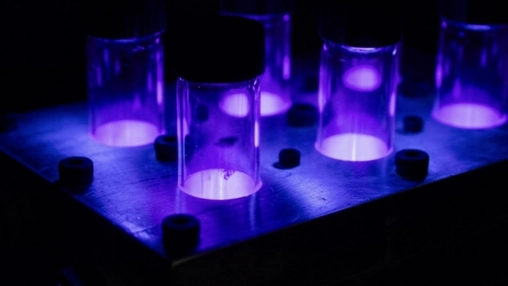
Somewhere beneath a contaminated industrial site, a molecule of PFAS sits waiting. It has survived heat, water, and decades of attempted chemistry. Regulators have worried about it. Businesses have paid lawyers because of it. Until recently, nobody had a clean way to destroy it.
Researchers at Aarhus University may have found one. Published on 16 June 2026, their study shows that hydrogen radicals produced by intense UV light can permanently sever the carbon-fluorine bonds that make PFAS compounds so resistant to breakdown. No chemical additives are required. That simplicity is what separates this finding from prior approaches, most of which demanded aggressive reagents that brought their own costs and risks.
PFAS compounds have earned the label "forever chemicals" honestly. Found in drinking water, soil, and living tissue worldwide, they are linked to serious health disorders and have become a focal point for regulators on every continent. Conventional destruction methods have existed, but their reliance on harsh chemical inputs made scaling them expensive and logistically complicated.
A UV-only pathway changes that arithmetic. For water utilities and remediation firms, lower treatment costs and fewer regulatory hurdles around chemical handling could make the difference between a viable project and a deferred one. Businesses sitting on legacy industrial land, and facing growing liability over PFAS contamination, now have a more credible technological target to plan around.
The Aarhus team regards this result as a foundation, not a finished product. Further engineering is needed before laboratory findings translate into deployable treatment systems. Identifying the precise degradation mechanism, however, gives technology developers a defined problem to solve rather than an open question to explore. That distinction matters. Progress in environmental remediation tends to stall not on ambition but on the absence of a clear scientific starting point. Researchers now have one.
Related News


topics on the agenda
DUTCH KNOWLEDGE AND INNOVATION PROGRAMME PFAS SOIL
DAY 1: undefined
09:00 - 09:25
PFAS ABATEMENT AND DESTRUCTION USING SURFACE-MODIFIED GAC – “SEARCH, CAPTURE, AND DESTROY”
DAY 1: undefined
09:30 - 09:55
PFAS – A FOREVER SOLUTION TO A FOREVER CHEMICAL
DAY 1: undefined
10:00 - 10:25
SUBSCRIBE FOR UPDATES
By submitting, you agree to receive email communications from the event organizers, including upcoming promotions and discounted tickets, news, and access to related events.